
What Northern California homeowners are doing now that the solar tax credit ended
Many families assumed home solar stopped making sense when the federal credit expired at the end of 2025. For PG&E customers, the math looks different than most people think.
If you own a home in Northern California, you have probably heard some version of the same thing lately: solar is dead. The 30 percent federal residential tax credit that so many people waited on came to an end on December 31, 2025, and with it went a lot of the urgency. The assumption is simple. No credit, no reason to look.
That assumption skips over the part that actually drives the decision for most PG&E households, which is the utility bill itself. PG&E rates have climbed steadily, and the reality of opening that bill each month has not gone anywhere. The tax credit was a discount. The rising cost of buying power from the grid is the ongoing problem, and it is still very much here.
The part most people miss
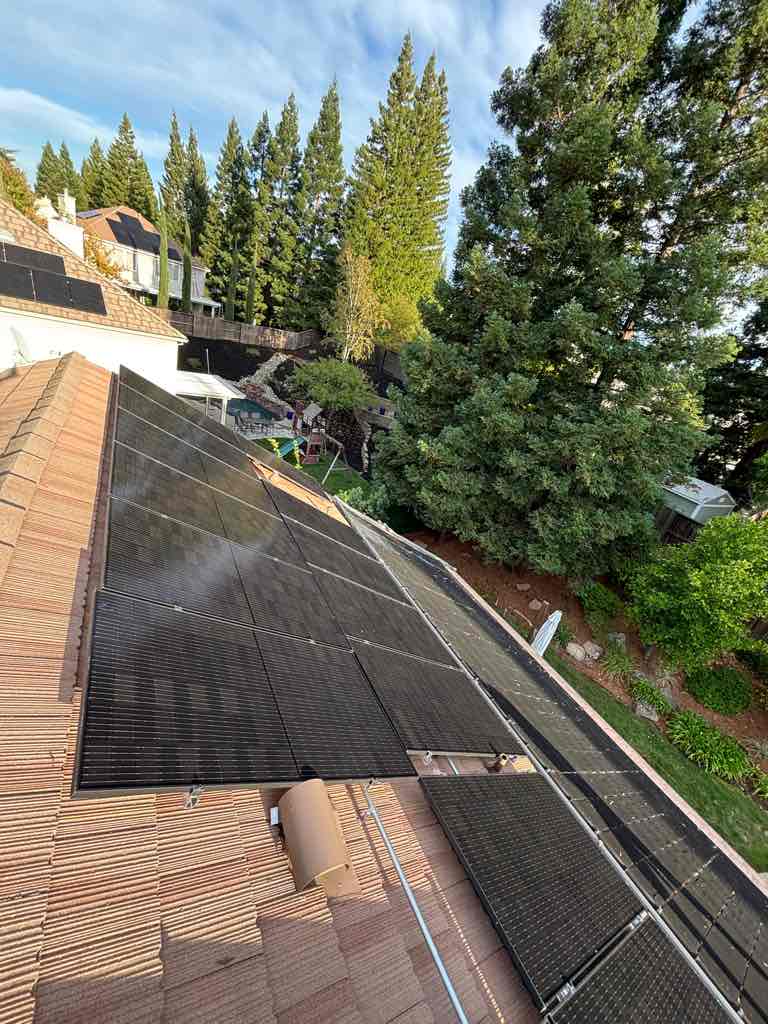
There is a program structure that does not depend on the federal credit at all. Instead of financing a large purchase to chase a rebate, a household pays once upfront for their solar, or finances it through Travis Credit Union, and then carries little to no ongoing electric cost. At year six, the homeowner owns the system outright.
The credit was a discount on the purchase. The bill is the reason people wanted solar in the first place, and the bill did not expire.
That ownership piece is what separates this from the lease and power-purchase offers a lot of homeowners grew wary of over the years. There is no long-term lien on the home. The arrangement is transferable if the house is sold. And because it is priced below a traditional cash purchase, the upfront number tends to surprise people who expected solar to only get more expensive after 2025.
How the program is structured
- Pay once upfront, or finance through Travis Credit Union
- Little to no ongoing electric cost after activation
- You own the system at year six
- No credit check and no lien on your home
- Transferable if you sell the house
- Priced below a traditional cash purchase
Who this tends to fit
The households that benefit most are usually current PG&E customers who own their home, plan to stay in it, and want to eventually own their system rather than rent it indefinitely. It is not a fit for everyone, which is exactly why the first step is a short qualification check rather than a sales pitch.
North Valley Solar Power designs and manages your solar project. A licensed installation partner performs the installation. The company has spent years working with Northern California homeowners specifically, which matters because rate structures and permitting here do not look like they do elsewhere.
See whether your home qualifies
The quiz below takes about thirty seconds. It asks a few quick questions about your home and your current utility situation first, and only asks how to reach you at the very end.